Fast Entertainment Meets Fast Downloads: Jetton-Style Gaming and the 2024 Usenet/NZB Workflow
Speed is the common currency of modern online habits: quick rounds of browser entertainment and equally quick access to files when you need them. For players who like crisp interfaces and low-friction sessions, platforms such as https://jetton-games.bet/ represent a style of gaming where navigation and game discovery are part of the fun—not an obstacle. In a different corner of the web, German-language guides around nzb.to focus on making Usenet access just as streamlined: pick a provider, connect a newsreader, and let NZB Search do the heavy lifting.
What’s interesting is how both worlds reward the same mindset: compare options, understand the “rules of the system,” and choose tools that reduce waiting. Whether you’re evaluating game categories, payment methods, and session safety, or you’re comparing Usenet Anbieter and Retention Tage for reliable NZB Download in 2024, the goal is identical—more time enjoying the result and less time fighting the process.
Choosing a platform: what “good UX” means in gaming and Usenet
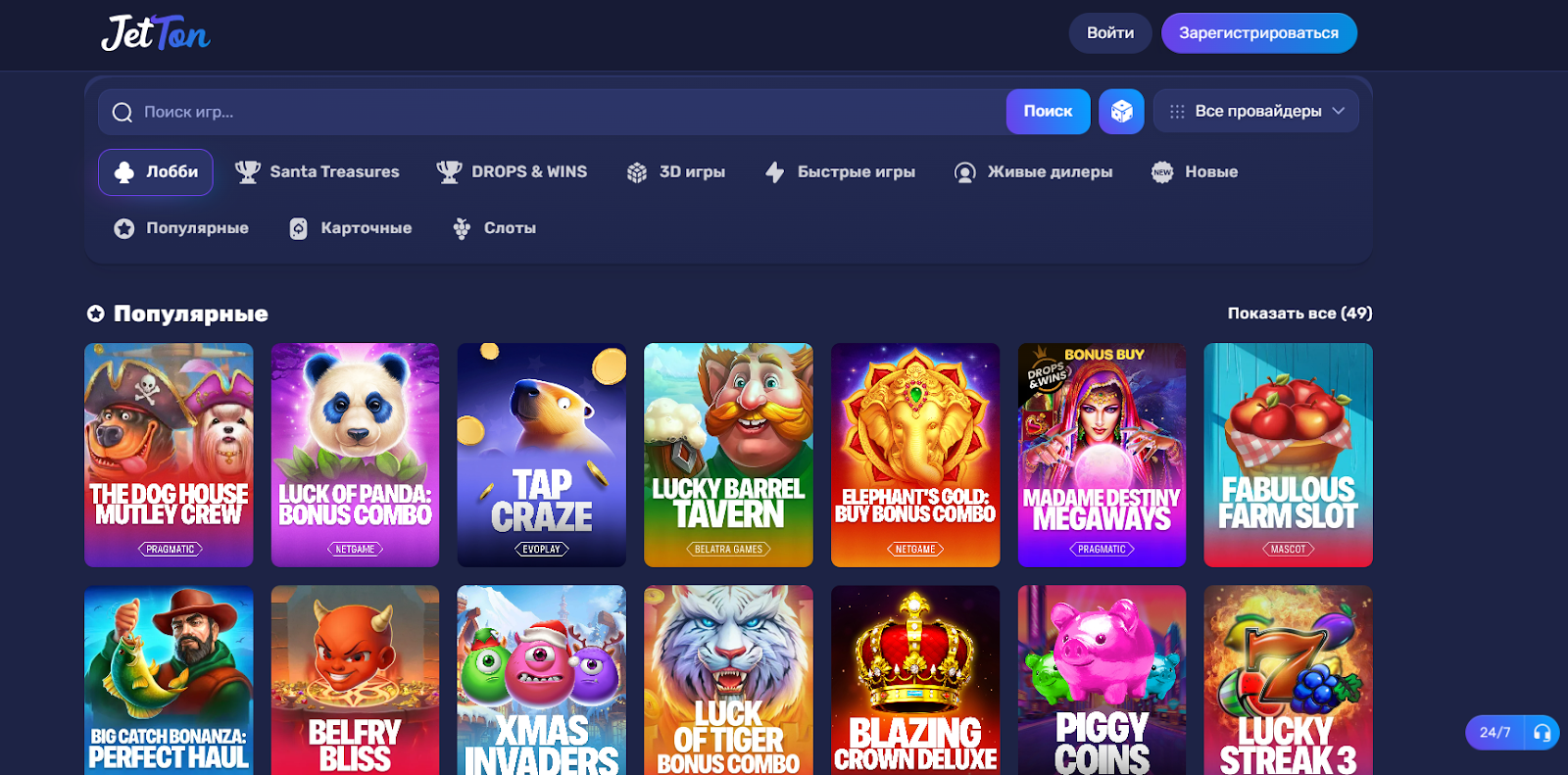
In Jetton-style gaming, a good experience usually starts with clarity: visible game categories, predictable loading, and easy-to-find terms. The same clarity is what German comparison pages for Usenet Provider emphasize—transparent pricing, understandable limits, and a clear explanation of how NZB Datei workflows function. If you’ve ever opened a Newsreader configuration screen, you know that small details (server address, ports, SSL) matter as much as small details in gaming (limits, wagering rules, supported devices).
On the gaming side, people often compare: variety of games, mobile performance, deposits/withdrawals, and responsible-play controls. On the Usenet side, the classic checklist includes: Retention Tage, completion rates, speed, number of connections, and whether there’s an option for Prepaid Usenet or Usenet ohne Abo for those who dislike subscriptions.
A Jetton-focused snapshot: features players tend to compare
Because gaming decisions are often made quickly, it helps to structure the comparison the way a technical buyer would. The table below is intentionally practical: it shows which platform aspects to check before committing time or money, similar to how an nzb.to-style Usenet Anbieter Vergleich breaks down providers.
| What to check (Jetton-style) | Why it matters | Quick self-test |
|---|---|---|
| Game discovery and categories | Faster access to preferred genres and less menu friction | Can you reach your favorite category in < 3 clicks? |
| Mobile performance | Stable sessions on varying networks and devices | Try a short session on mobile data and check load times |
| Payment options and processing clarity | Reduces uncertainty and helps plan bankroll | Are fees, limits, and timelines clearly explained? |
| Account safety and verification flow | Protects access and reduces lockouts | Is 2FA offered and are steps explained without jargon? |
| Support responsiveness | Helps resolve issues before they disrupt play | Check available channels and typical response windows |
How nzb.to-style guides frame Usenet in 2024 (German-language lens)
On nzb.to and similar German-language resources, the emphasis is often on making Usenet feel approachable: pick a Usenet Provider, select a Newsreader, and use an Usenet Suchmaschine or NZB Search engine to find what you need. The concept of an NZB Datei is central—think of it as an index “map” that tells your downloader where the pieces are, rather than the content itself. That’s why NZB Search engines are compared so heavily: the quality of indexing and the ease of browsing directly influence success rates.
Two recurring comparison axes are Retention Tage and plan flexibility. High retention increases the chance that older posts are still available, while flexible plans (like Prepaid Usenet) appeal to users who want Usenet ohne Abo. This is similar to gaming preferences where some players want quick, low-commitment sessions, while others prefer deeper engagement and loyalty-style benefits.
Tools and habits that reduce friction in both workflows
Gaming platforms thrive when they make “next action” obvious—pick a game, set stakes, play. Usenet succeeds when the pipeline is equally clean—find an NZB, send it to the downloader, verify, and unpack. In 2024, German guides frequently mention a few staples:
- SABnzbd as a popular, user-friendly downloader that automates queueing and post-processing.
- Newsreader settings that prioritize SSL, correct ports, and enough connections to match your line speed.
- Index sources and engines such as Binsearch, NZBindex, and community-driven options like NZBgeek, each with different strengths for NZB Download success.
- Provider comparisons featuring brands like Usenext and Newshosting, especially when discussing retention, completion, and usability.
In gaming, the equivalent “tooling” is less technical but still real: budgeting habits, session timers, and checking terms before chasing a bonus. Both domains reward a calm setup phase. Spend ten minutes to configure correctly, and you save hours later.
Performance metrics: latency vs. retention
Players often talk about responsiveness—how fast a page loads, how quickly a game starts, whether the UI lags on mobile. Usenet users talk about speed too, but also about whether the content is actually retrievable. Retention Tage becomes the silent hero: you can have a fast line, but if retention is low or completion is inconsistent, downloads fail or require repairs. That’s why nzb.to-style comparisons frequently highlight retention numbers and real-world completion.
A helpful mental model is to treat retention like a game library’s depth. A platform might feel great today, but long-term satisfaction comes from breadth and reliability. In both cases, consistency beats flashy promises.
Practical mini-checklist: before you commit
Use this blended checklist to keep decisions grounded. It’s intentionally short—enough to prevent obvious mistakes without turning research into a second job.
- For gaming: confirm device compatibility, read key rules, and verify that payment steps are clear.
- For Usenet: confirm Retention Tage, check if you want Prepaid Usenet or a subscription, and ensure your Newsreader settings support SSL.
- For NZB Search: test an Usenet Suchmaschine with a couple of searches; note filtering, spam control, and how easy it is to grab an NZB Datei.
- For your routine: decide how you’ll manage time—session limits for gaming, and queue limits/scheduling for downloads.
One more parallel is worth calling out: both ecosystems have “power user” paths. In gaming, that might mean exploring different game types strategically and using responsible controls to keep play enjoyable. In Usenet, it might mean optimizing SABnzbd categories, setting up automation, and testing multiple NZB Search sources (for example, combining a general engine like Binsearch with a curated index) to improve hit rates.

Conclusion: pick the experience you can repeat
The best online experiences are the ones you can repeat without friction. Jetton-style gaming platforms aim to make entertainment immediate and navigable; nzb.to’s German-language approach to Usenet Anbieter Vergleich aims to make NZB Download predictable through good provider choice, adequate retention, and the right tools. If you focus on clarity, consistency, and a setup that matches your habits, you’ll spend less time troubleshooting and more time enjoying what you came for.
Mehr zu den technischen Grundlagen des NZB-Workflows finden Sie im Leitfaden zu Usenet-Zugang, NZB-Suche und sicheren Downloads.